St Mary's Catholic Primary School
Design and Technology
Design and Technology
At St Mary’s Catholic Primary School, we use the Kapow Primary Design and Technology scheme of work to deliver an exciting, practical and progressive curriculum that inspires pupils to become creative, innovative and confident designers.
Through carefully sequenced learning, children develop the knowledge and skills needed to design, make, test and evaluate products while solving real-life problems and responding to purposeful design briefs. The curriculum covers a wide range of areas, including mechanisms, structures, textiles, food and nutrition, electrical systems and digital technologies, allowing pupils to apply their learning in meaningful and engaging contexts.
Through Kapow’s spiral curriculum, key knowledge and skills are revisited and developed over time, ensuring progression from the Early Years through to Year 6 and enabling pupils to meet the expectations of the National Curriculum.
Lessons encourage children to think creatively, take risks, work collaboratively and refine their ideas through the Think, Make, Test, Repeat design process. Adapted activities and practical experiences ensure that all pupils can succeed and develop confidence in designing and making products with a real purpose.
Through Design and Technology, pupils develop problem-solving skills, resilience, creativity and independence while gaining a deeper understanding of how design and innovation shape the world around them.
Please see our Design and Technology Curriculum Maps for more detailed information about the topics and skills covered in each year group.
Moving Monsters
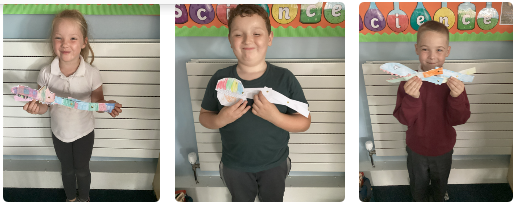
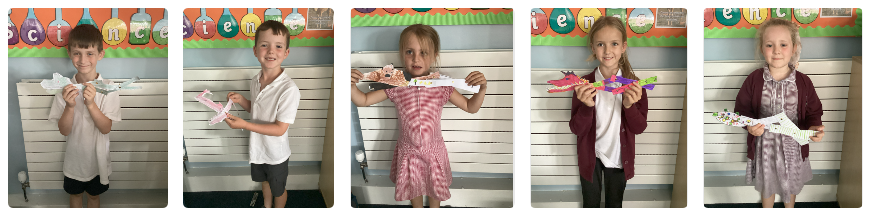
In Design and Technology, our Year 2 children have been exploring levers and linkages, discovering how these simple mechanisms create movement. They designed, made, and evaluated their own moving monsters, demonstrating fantastic creativity, problem-solving, and perseverance throughout the project. We were so impressed with their innovative designs—there are definitely some engineers in the making!
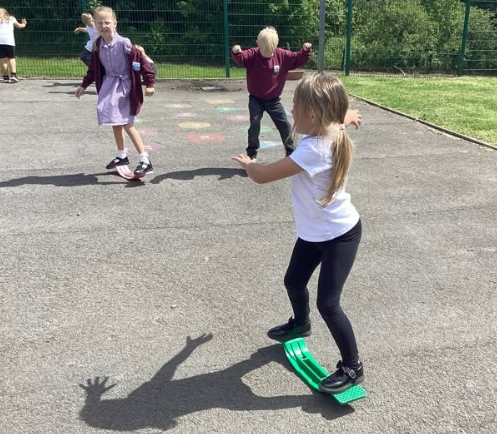
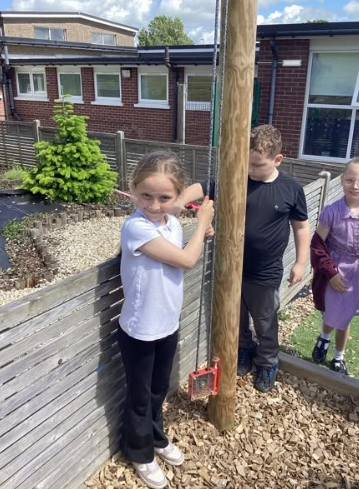
To start the process the children explored levers, linkages and what the word pivot meant.
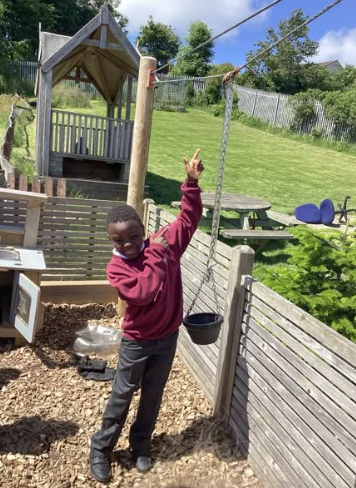
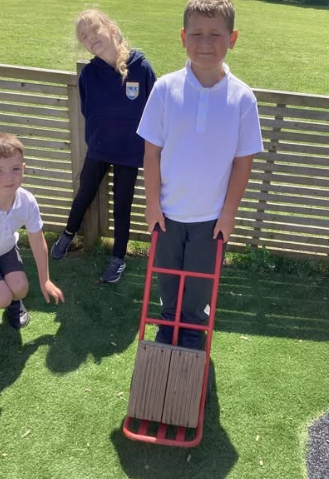
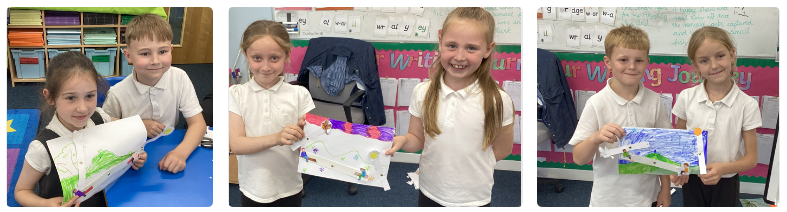
They then created a moving picture.
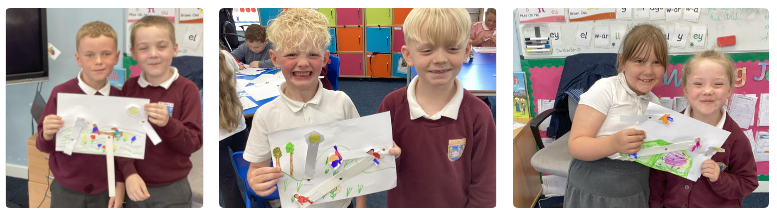
After that they designed and made a moving monster and most importantly evaluated what went well and what they could do even better next time!